
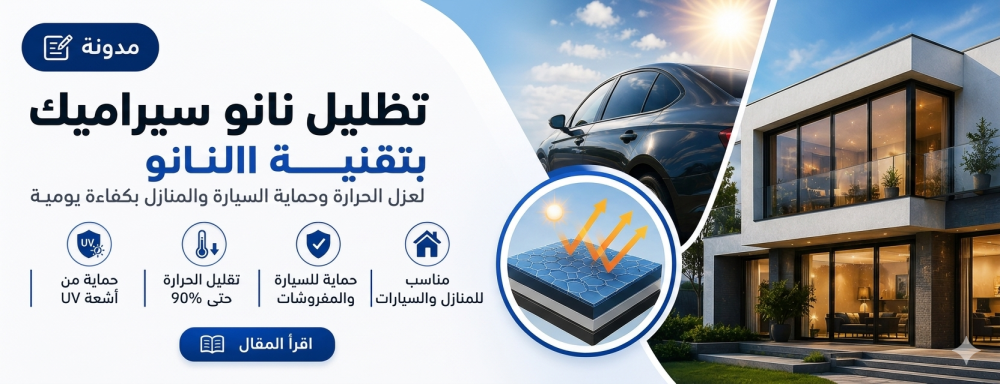
Nano ceramic tinting with nano-titanium technology for heat insulation and efficient daily protection of cars and homes.
What is nano-ceramic tinting and why is it used?
In the Gulf region, and specifically in the Saudi market, heat isn't just an unpleasant sensation inside the car; it's a daily problem affecting comfort, fuel consumption, air conditioning efficiency, and even the lifespan of the car's interior components. Many people buy regular window tinting only to discover later that it's merely cosmetic, offering no real insulation, and that's where the mistake begins.
The actual solution is nano-ceramic shading based on nano-titanium technology, because it not only reduces light, but also provides real thermal insulation that reduces heat entry, blocks harmful rays, and maintains clear vision.
This type of nano-ceramic heat-insulating shading is suitable for cars, homes, glass facades, and modern buildings, as it achieves an important balance between everyday comfort, privacy, and a professional appearance.
When you use nano-tint for cars, you are not just adding a layer to the glass, but investing in reducing cabin heat, reducing strain on the air conditioner, protecting the interior upholstery, and improving the entire driving experience.
Main uses of the product
Car window tinting and cabin heat reduction
The most important use of this product is to fully or partially tint car windows to reduce direct sunlight. In the summer, entering a car after it has been parked outside becomes an unpleasant experience, especially with the seats, dashboard, and steering wheel getting hot.
When nano-ceramic tinting is installed, this problem is significantly reduced, because the heat does not enter with the same force, making the cabin more comfortable and reducing the time required to cool the car.
Shading homes and glass facades
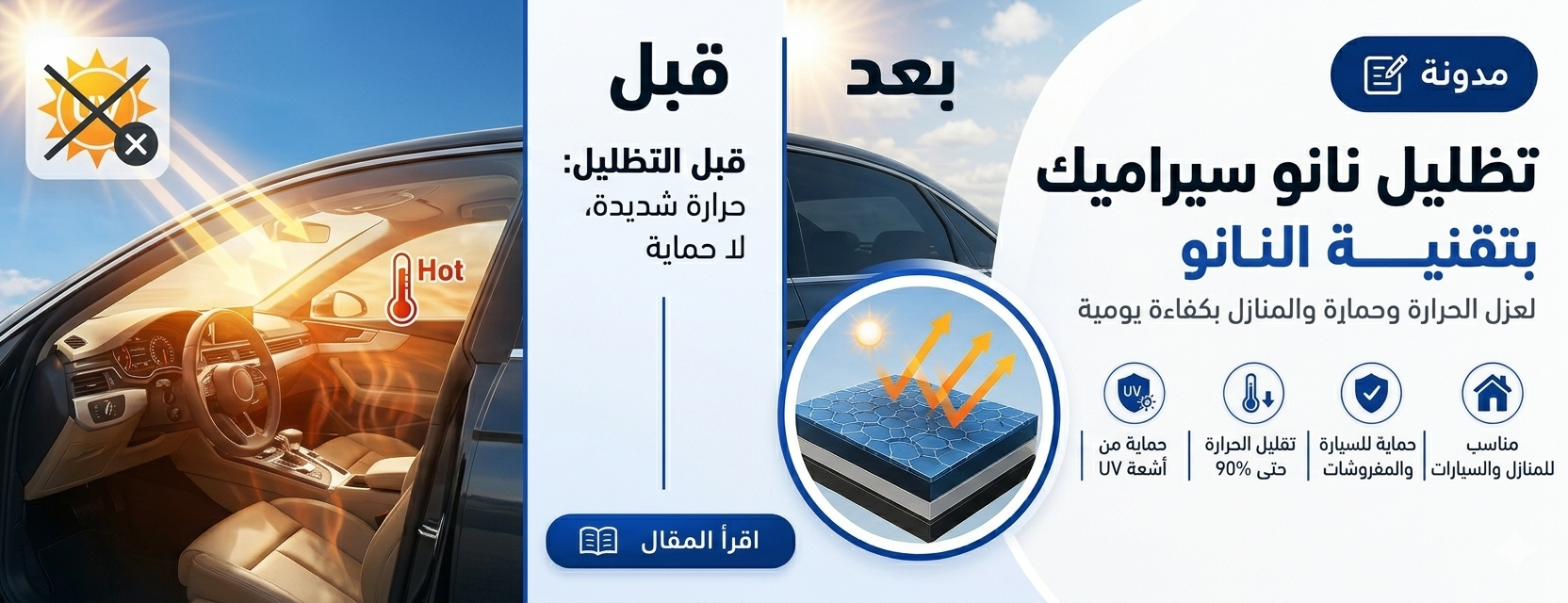
A common misconception is that nano-tinting is only for cars, while its use in homes is equally important. Large glass windows in homes and offices allow a significant amount of heat to enter, affecting comfort and increasing the energy consumption of cooling systems.
Using nano-ceramic thermal insulation on these facades effectively reduces solar heat gain, keeping the space cooler for longer periods and resulting in significant energy savings. This is particularly beneficial for villas, offices, glass towers, and modern buildings.
Protecting interior decor from damage
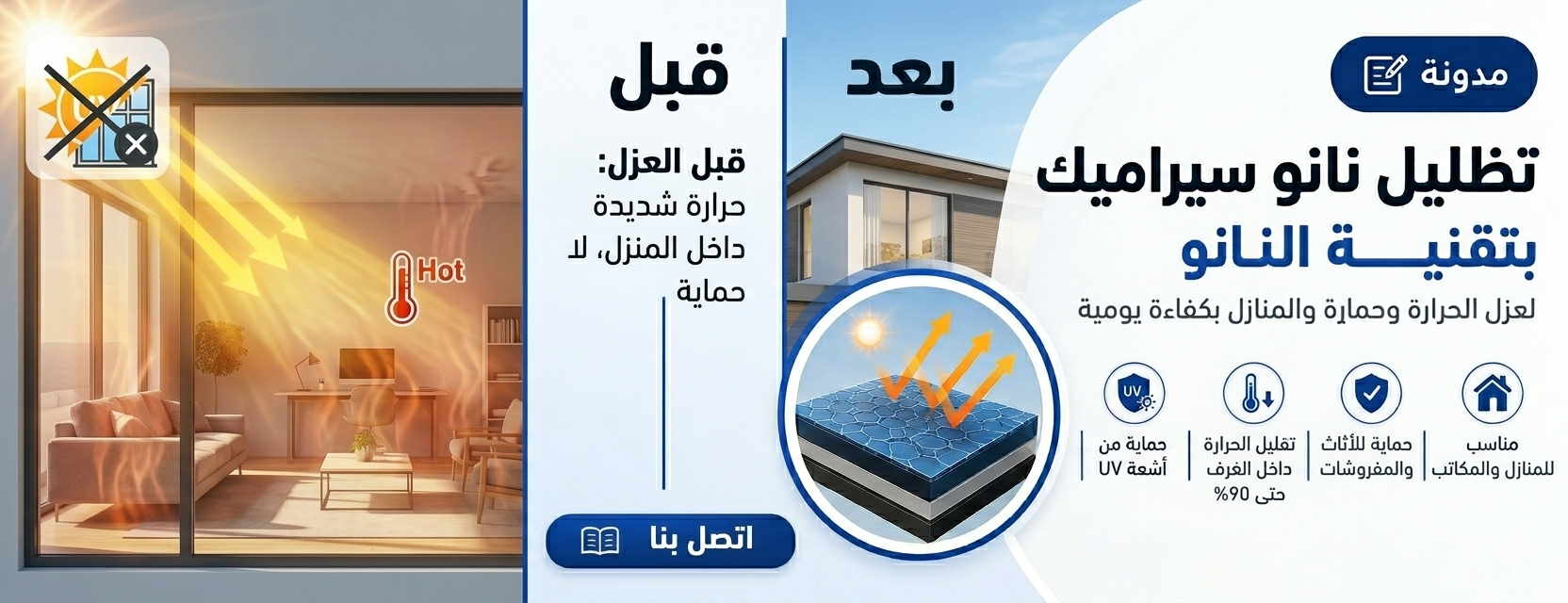
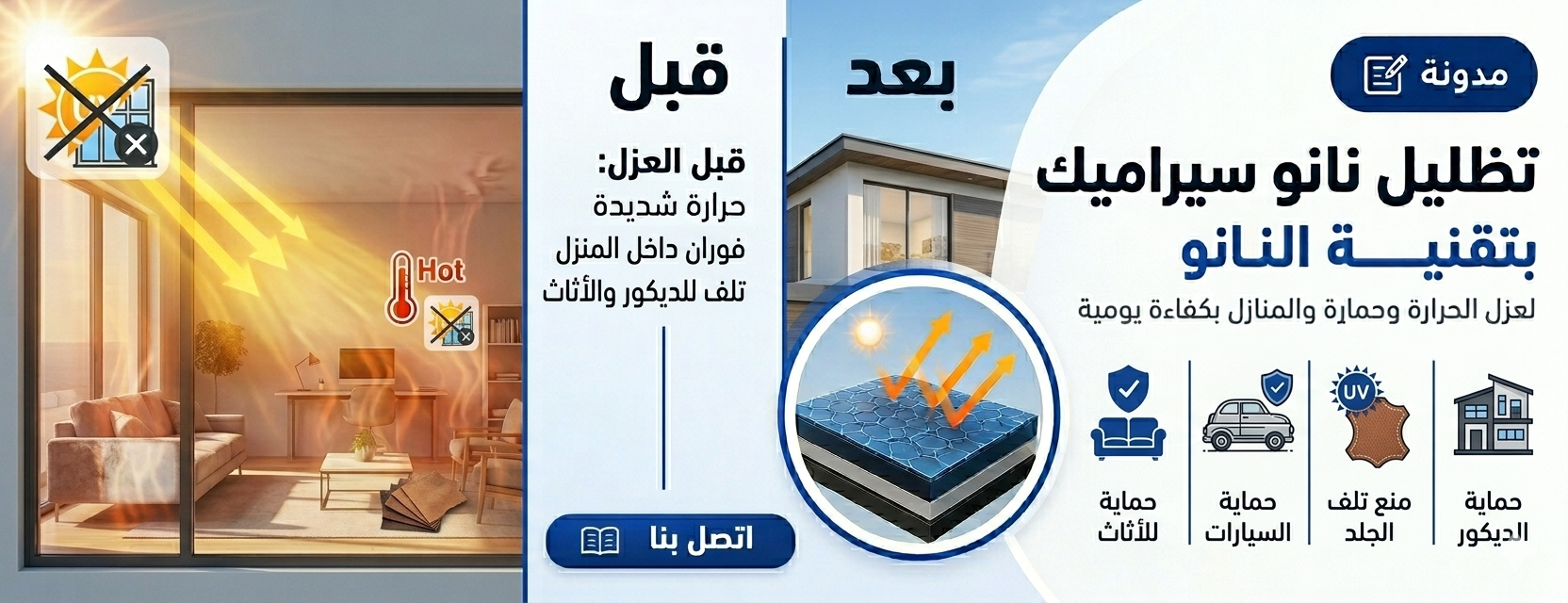
Constant sunlight not only raises the temperature but also causes fading and cracking of some materials over time, both inside the car and the home. Using ceramic window tint helps block a high percentage of ultraviolet rays, protecting dashboards, seats, curtains, wooden floors, and interior furnishings from gradual deterioration.
How do I use the product step by step?
1. Clean the glass thoroughly
Clean the glass of dust, oils, fingerprints, and any other surface contaminants. Even small impurities can directly affect the tint's stability and cause bubbles or an unprofessional appearance.
2. Cut the film according to the dimensions.
Accurately measure the glass area and then cut the film to the appropriate shape. Proper measurement saves installation time and makes application smoother, especially in cars with curved windows.
3. Spray an aqueous solution to facilitate installation.
It provides greater flexibility and reduces errors during installation.
4. Secure the film precisely
Apply the layer gently to the glass, adjusting the direction and ensuring even distribution.
5. Remove the bubbles and leave it to dry.
Using a smoothing tool, all air is removed, then the shading is left to dry and fully set.
When do you need this product?
- If you get into the car every day and feel that the heat has become unbearable
- If you notice that the air conditioner takes a long time to actually start cooling
- If you start to see a change in the dashboard color or cracks in some of the internal parts
- If you own a house or office with glass facades that are exposed to direct sunlight
- If you are looking for higher privacy while maintaining a sleek look and clear visibility
Results obtained after use
- A noticeable drop in temperature inside the car or space, especially upon first entering after sun exposure.
- Improved air conditioner efficiency , with less effort and continuous energy savings
- Improved privacy , clear view from inside with reduced view from outside
- A professional and elegant look without affecting natural lighting.
- Long-lasting performance without rapid discoloration or peeling
Product Features
- Nano titanium technology for high-efficiency thermal insulation
- Blocks a high percentage of ultraviolet rays
- Multiple transparency levels to suit different needs
- High durability and resistance to scratches and abrasion
- Clear vision from within with privacy from the outside
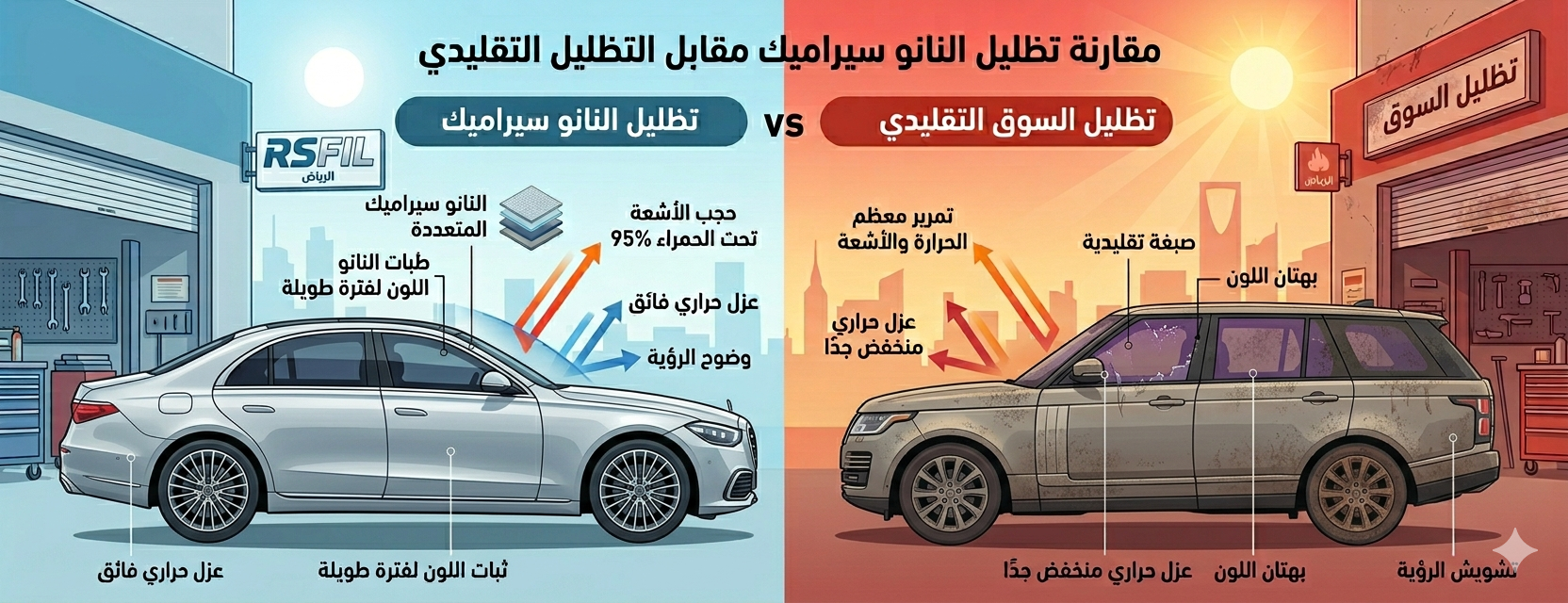
The difference between this product and traditional products
Traditional products often rely on a dark color only, giving a shaded appearance but without actual heat insulation — the car remains hot and the main problem remains unsolved.
Nano-ceramic heat-insulating window tinting utilizes advanced insulation technology that reduces heat transfer, not just light. Traditional products are also prone to rapid discoloration, peeling, or poor adhesion, while nano-titanium ceramic tinting offers superior stability and long-lasting durability.
Tips for getting the best results
- Don't buy based on the name alone — many products sold under the name "nano ceramic tint" are actually just regular, low-quality tint.
- Choose the appropriate level of transparency for your actual use, not just based on appearance.
- Pay as much attention to the quality of the installation as you do to the product itself.
- Do not use strong cleaners immediately after installation; allow the film to fully set.
- Buy from a trusted source like Rasfel — 100% Saudi-made
Thermal Performance Table
Choosing the right level of transparency depends not only on appearance but also on the actual level of thermal insulation you need daily. The lower the transparency, the better the thermal insulation and the greater the privacy.
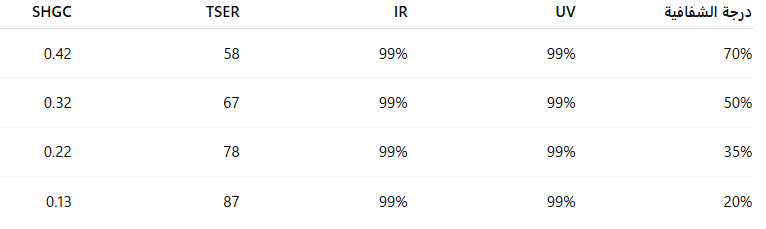
If you want a balance between letting in natural light and protecting against heat, higher transparency is suitable for everyday use. However, if your goal is to minimize heat as much as possible while maintaining greater privacy, lower transparency levels offer better performance, especially in harsh summer conditions.
Frequently Asked Questions
Is nano ceramic tinting easy to use?
Yes, when applied correctly, it becomes easy to install and gives a clear, professional result.
Does it fit all cars?
Yes, it fits most types of cars, and can also be used for homes, glass facades, and commercial buildings.
Does it need additional tools?
It only requires simple tools for measuring, cleaning and installation, but the main value comes from the quality of the product itself.
Does it give quick results?
Yes, the difference in temperature and comfort becomes apparent quickly after installation, especially in hot areas and direct exposure to the sun.
Can it be used repeatedly?
Certainly, and it can be used in more than one space, whether for cars or homes, depending on the actual need.